
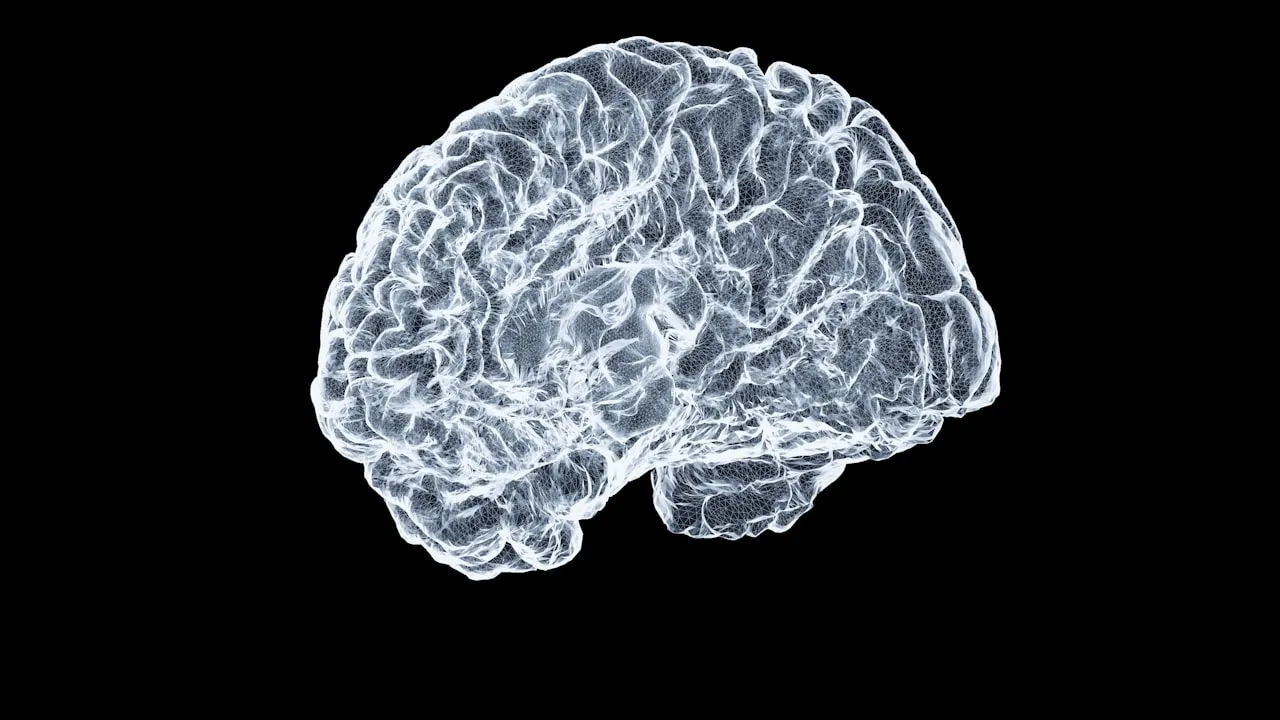
The Diagnostic Gap in Psychiatry
Mental health has long occupied an uneasy position in medicine. The conditions are real: depression, anxiety, bipolar disorder, and schizophrenia produce suffering as severe as any physical illness. But the diagnostic categories remain largely symptom-based, the biological mechanisms incompletely understood, and the treatment approaches more empirical than precise. A patient presenting with major depression today receives a diagnosis based on clinical interview and standardised questionnaires, with no measurement of the underlying neurobiology. Treatment typically begins with a first-line antidepressant chosen on the basis of population-level efficacy data, and if that medication fails, a second is tried, and perhaps a third, in a process that can extend over months before an effective regimen is found.
What Neurogenomics Brings to the Table
Large-scale genome-wide association studies have identified hundreds of genetic variants associated with psychiatric conditions, and while no single variant determines whether a person will develop depression or anxiety, the aggregate effect of many variants (captured in polygenic risk scores) can meaningfully stratify risk across populations. More practically, specific genetic variants influence the neurotransmitter systems that psychiatric medications target. Variants in the serotonin transporter gene SLC6A4 affect serotonin reuptake and have been associated with differential responses to SSRIs. COMT variants influence dopamine metabolism in the prefrontal cortex, with implications for cognitive function, stress resilience, and the efficacy of certain pharmacological interventions. MTHFR variants, which affect folate metabolism and the production of S-adenosylmethionine, have been linked to depression risk and may explain why some patients respond to methylfolate supplementation when standard antidepressants prove insufficient.
The Gut-Brain Axis and Mental Health
The enteric nervous system produces a substantial portion of the body's serotonin, and the microbial composition of the gut influences neurotransmitter production, inflammatory signalling, and vagal nerve communication with the brain. Emerging research on the microbiome-gut-brain axis suggests that interventions targeting gut health (dietary modification, prebiotic and probiotic supplementation, reduction of ultra-processed food intake) may have measurable effects on mood and anxiety, particularly when the underlying issue involves microbial dysbiosis rather than a primary neurotransmitter deficiency.
Inflammation as a Psychiatric Variable
A subset of patients with treatment-resistant depression show elevated inflammatory markers, including C-reactive protein, interleukin-6, and tumour necrosis factor-alpha, and some respond to anti-inflammatory interventions where traditional antidepressants have failed. The neuroinflammation hypothesis supplements the monoamine model of depression by identifying a biologically distinct subgroup for whom the standard treatment paradigm is poorly matched to the underlying pathology. Genetic variants that influence inflammatory propensity may help identify these patients before the trial-and-error process begins.
Toward an Integrated Model of Mental Health
The convergence of neurogenomics, pharmacogenomics, microbiome science, and inflammatory biomarkers points toward a more integrated model, one that recognises psychiatric conditions as multi-system disorders and that uses biological data to guide treatment rather than relying exclusively on symptom inventories and clinical intuition. This does not diminish the importance of therapy, social connection, or the lived experience of the patient. It does suggest that a significant amount of information relevant to treatment selection and lifestyle intervention is available in the genome and in laboratory data, and that leaving this information unexamined is an increasingly difficult omission to justify.
How Helixa Health Supports Mental Wellness
Helixa Health's platform integrates neurogenomic data (variants influencing neurotransmitter metabolism, inflammatory propensity, stress response pathways, and pharmacogenomic profiles for psychiatric medications) alongside lifestyle and microbiome data to create a comprehensive picture of the biological factors contributing to mental health. The platform does not diagnose psychiatric conditions or replace professional mental healthcare. What it provides is a layer of biological insight that can inform conversations with clinicians, guide lifestyle modifications that support neurological health, and help users understand why their brains respond to stress, sleep, diet, and medication in the particular ways they do. In a field where personalisation has been aspirational rather than operational, this kind of data-driven specificity represents a meaningful step forward.